


Puppy Raisers
Help Train the Next Generation of Service Dogs
Why Puppy raisers Matter
Every service dog starts as a puppy—and puppies need consistent practice, structure, and love to become confident working dogs. When you raise a puppy, you’re helping make sure that dog is ready for advanced training and, ultimately, a person who is counting on them.
We need more puppy raisers so we can keep dogs moving through training and meet growing community needs.
Is Puppy Raising Right for You?
Age: You must be 18 years or older.
Work/Availability: You either don’t work outside the home or you work in a dog-friendly environment where:
you have permission to bring the puppy, and
you have enough flexibility to give the puppy attention throughout the day.
Time Commitment: About 1 year. *We understand life can be unpredictable—shorter-term commitments may be available on a case-by-case basis.
Location: You live in the Greater Charlottesville area and can attend 1-hour weekly puppy classes held during standard working hours in Charlottesville, VA.
Training + Support We Provide
You won’t do this alone. Puppy raisers receive guidance and support through:
Ongoing coaching from our team
Puppy classes and skill-building support
A community of volunteers raising puppies alongside you
Questions
Contact SDV to speak with our volunteer coordinator. We’re here to help!

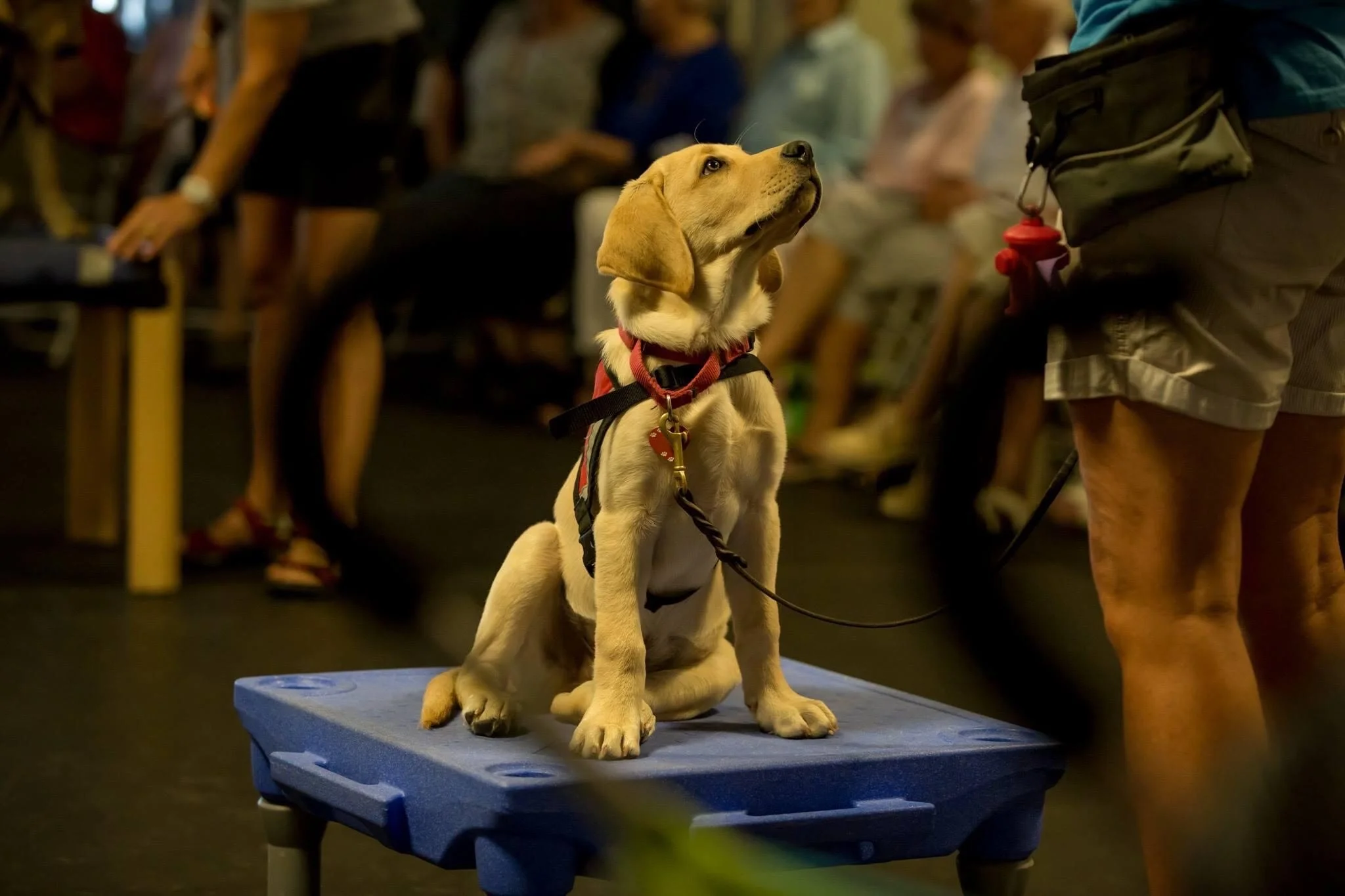
What You’ll Do
-

Provide a loving, stable home environment with consistent routines and boundaries.
-
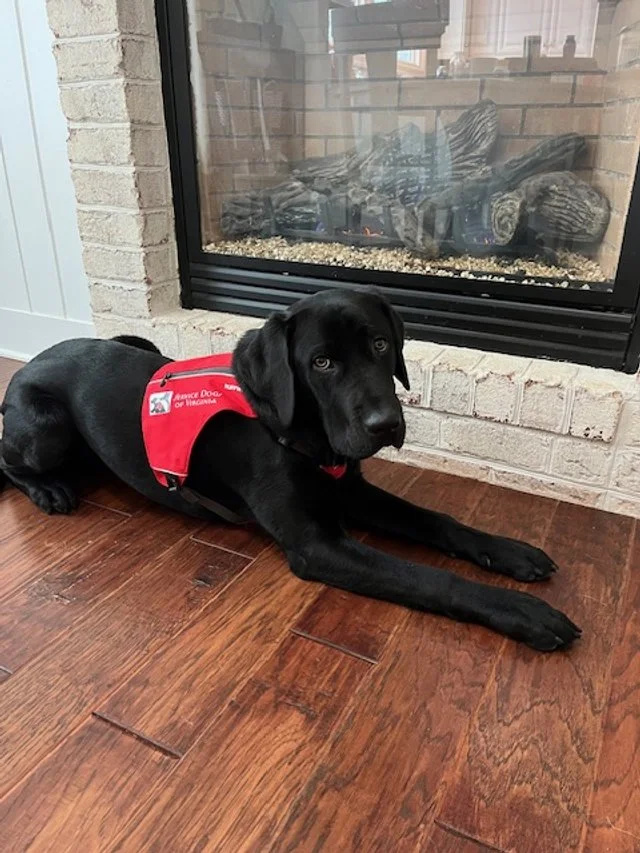
Work on basic obedience and house manners (calm behavior, leash skills, polite greetings, etc.).
-
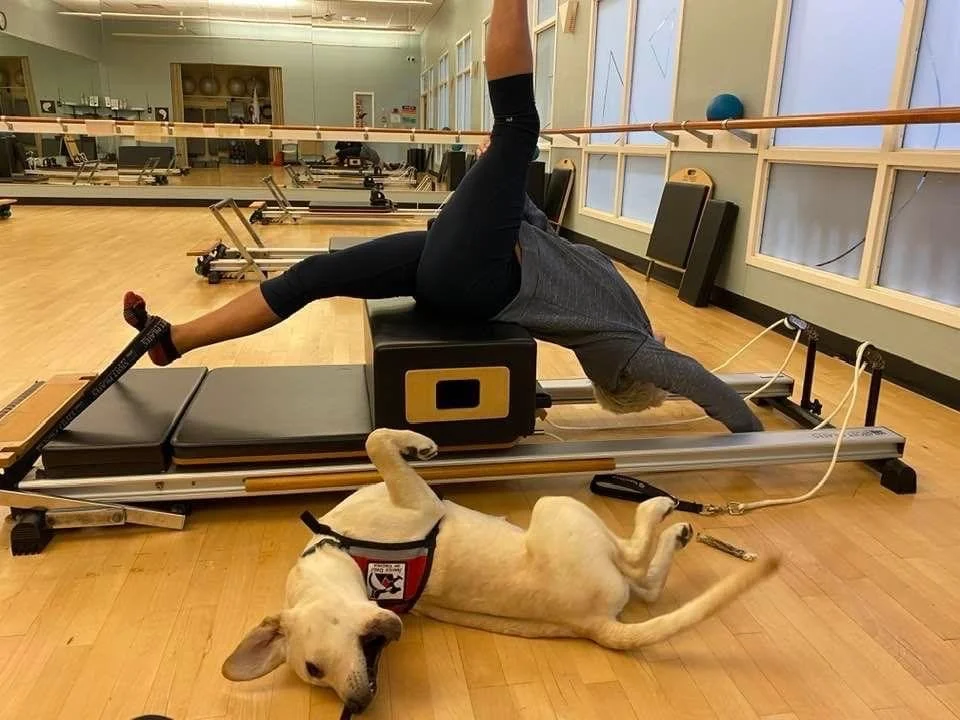
Support safe socialization through appropriate public outings and exposure to new places, people, and sounds.
-

Attend training classes weekly or biweekly at our facility or designated public locations in the Charlottesville area.
-
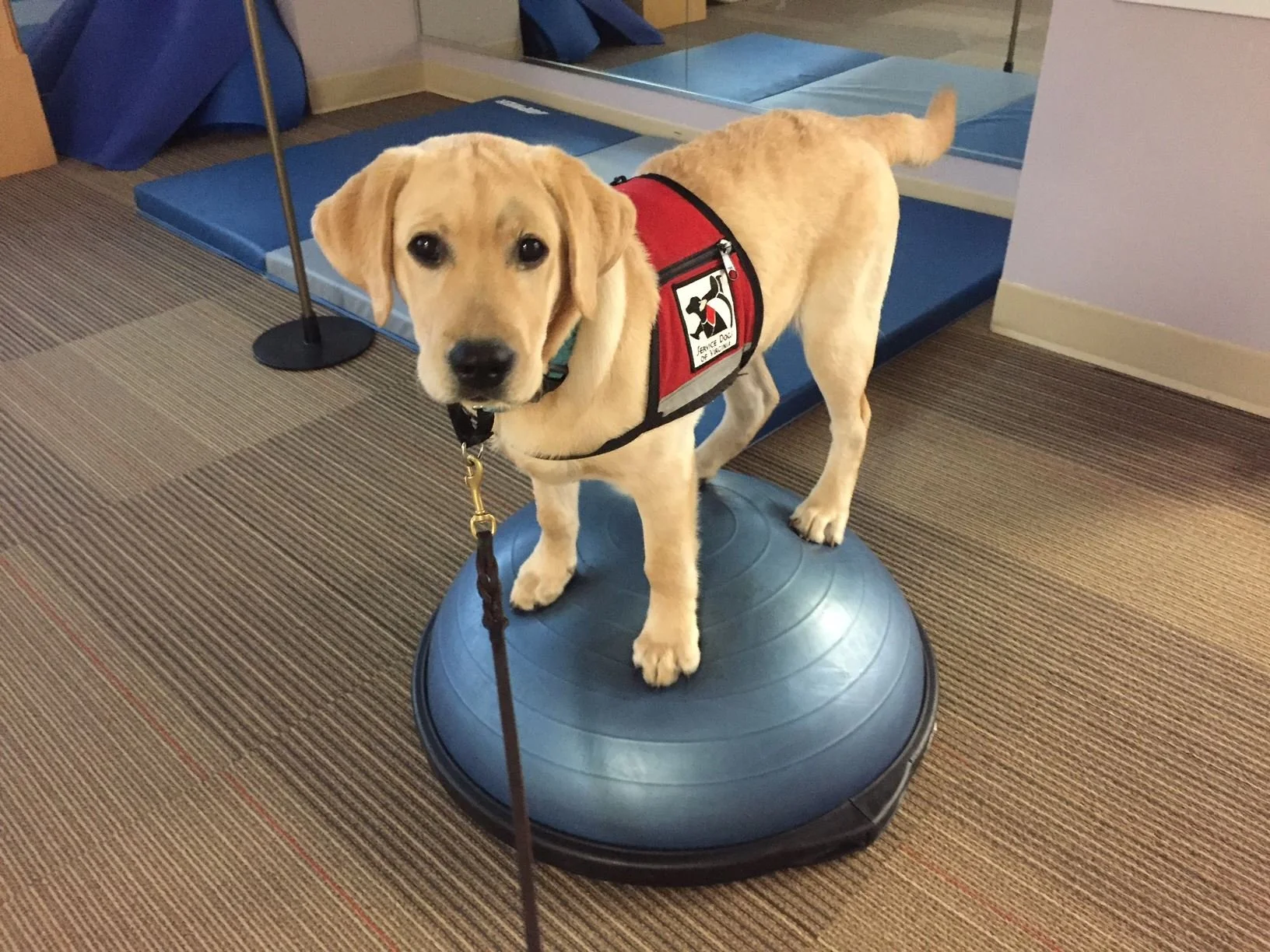
Partner closely with SDV trainers by following guidance, practicing assigned skills, and communicating progress to keep development consistent and effective.
Your Path to Volunteering
-
-
Participate in our required volunteer training class. Classes are offered 3 times a year in February, May, and September.
-
Schedule a home visit with our staff
-
SDV will reach out when we have puppy available.
Puppy raiser FAQs
-
For Puppy Raisers, you will attend weekly training classes at our Training Center or another location in Charlottesville, train the puppy at home in several short sessions throughout each day, and train the puppy in public as guided by SDV and the weekly lessons. We will guide you through the process every week, teaching you how to train your puppy.
-
Yes! The vast majority of our volunteers have no formal dog training experience. Before fostering a dog, you must attend a Volunteer Training Class. During this class you will learn our training methods and how to handle the dog in public and cues that the dos are learning. Our training methods are based on positive reinforcement, and we know you will truly enjoy the experience.
-
The primary puppy raiser must be an adult 18 years of age or older. However, minors are allowed to raise with an adult living in the same home. Note: Puppies can’t attend school with children in the household.
-
No, it’s imperative to the puppy’s development that supervision and socialization are provided throughout every day. Puppy raisers who work outside of the home must have prior approval to bring the puppy to the workplace and flexibility in their work schedule to provide the puppy with the attention it will need throughout the day.
-
Each puppy raiser goes through an orientation process and is given a manual, puppy starter kit, and online resources. They also begin attending weekly training sessions to refine their training skills before receiving their puppy. After receiving their puppy, weekly classes will continue. We also provide ongoing staff support to each puppy raiser via phone, e-mail or in-person follow-up.
-
The puppy is typically 2 - 4 months of age.
-
Typically dogs begin advanced training when they turned 1. Some dogs may start advanced training as late as 15 months.
-
Unlikely. Puppies learn basic house training between the ages of 2 and 4 months. Refining these skills often continues between 4 and 6 months of age. Puppy Raisers are responsible for teaching housebreaking with the support of SDV staff.
-
A fenced yard is highly desirable, Please note: Electric or invisible fences are not permitted.
-
As long as you provide SDV reasonable notice, we can arrange for a respite volunteer to take care of your dog while you are on vacation or need a break. We also like our puppies to become accustomed to new experiences and occasionally may ask you to let your puppy go to a respite provider for a few days even when you don’t have travel plans.
-
Yes, if your other pets don’t mind having a young, energic dog in the house. If you have cats or other dogs that don’t apricate the presence of other dogs (or only get along with “older, calm” dogs), then it might not be a good fit.